
Replace A Missing Tooth With Something That Feels Steady
A missing tooth changes how you eat. You start chewing on one side. You skip foods that used to be easy, and cover your mouth when you laugh. Dental implants are a long-term restorative dentistry option that fixes that.
An implant works like a new tooth root. It’s a small post placed in your jawbone that supports a crown, bridge, or denture. Because it’s anchored in bone, it feels steady when you bite and talk, more like a natural tooth than a removable option.
At Heritage Dental, Dr. Nguyen, Dr. Tran, Dr. Mesa, and Dr. Chun guide patients through every step, from planning to healing. If you want a replacement that looks natural and helps protect your jawbone, implants may be a good fit.
What Are Dental Implants?
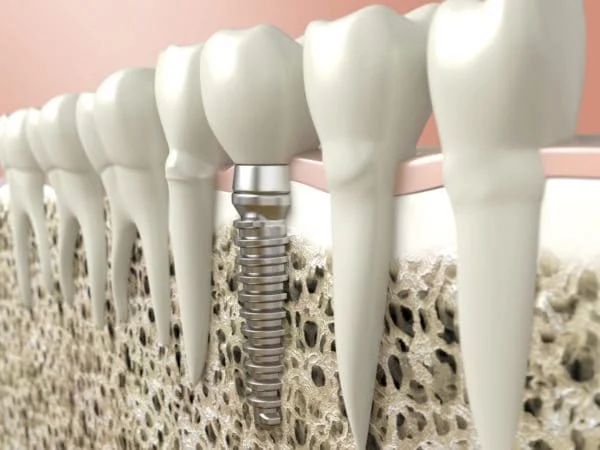
A dental implant is a small post placed in the jawbone. Most implants are made of titanium or another biocompatible material that bonds with bone. After placement, the bone heals around the implant. That process is called osseointegration. When healing is complete, the implant can support a replacement tooth.
A full implant tooth has three parts:
- The implant post, which sits in the bone
- The abutment, a small connector that attaches the crown to the post
- The crown, which is the visible tooth on top
Because the implant sits in the bone, it can feel more like a real tooth than a removable option. Implants can replace one tooth, several teeth, or a full arch.
Types of Dental Implants
The right type depends on how many teeth are missing, your bone health, and your goals. During your visit, we’ll take images and talk through the best plan for you.
- Single-tooth Implant: One implant with one custom crown. A common choice when you're missing one tooth and the teeth on either side are healthy.
- Implant-supported Bridge: Two or more implants that hold a dental bridge to replace several missing teeth in a row. This can avoid grinding down nearby teeth.
- Implant-supported Denture: A modern denture that snaps onto implants for extra hold. It can be for the upper or lower arch and may reduce slipping.
- All-on-4 or Full-arch Implants: A full set of teeth supported by a small number of implants. This option is often used when you’re missing many teeth and want a fixed, stable smile.
- Mini Implants (in select cases): We use smaller implants when space is limited or to add support for a denture. Not everyone is a candidate, so we review your bone and bite first.
Some patients need extra steps before implants, like a bone graft or sinus lift. These treatments build up the bone so the implant has a solid base. If you’ve had missing teeth for a long time, you may have less bone support. You may still have options.

What to Expect When Getting Dental Implants at Heritage Dental
Most patients want to know what the process feels like and how long it takes. Every case is different, but most implant care follows these steps:
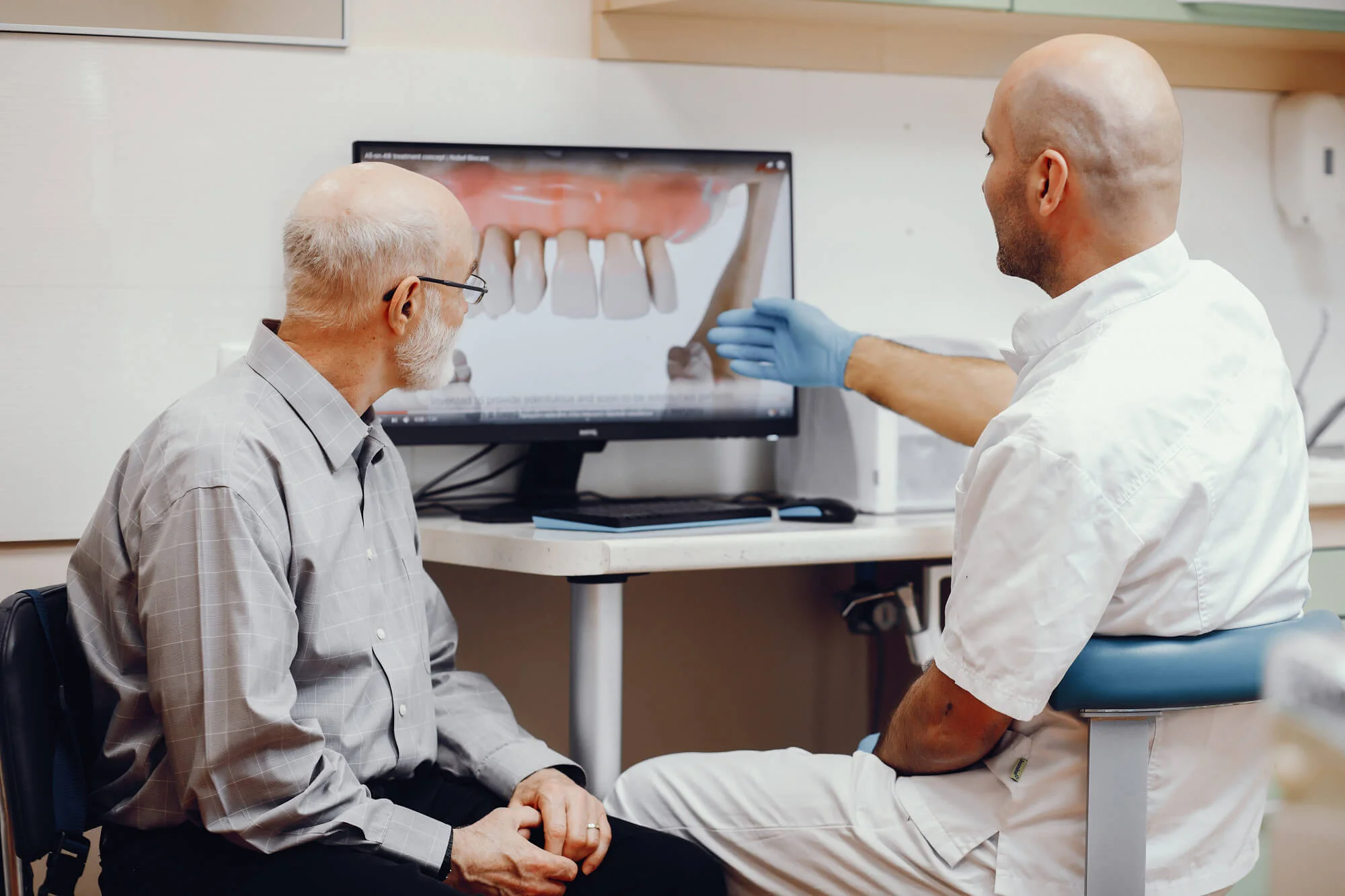
- Consultation and Planning: Your dentist checks your gums, teeth, and bite. We take X-rays and, if needed, 3D imaging. We also review your medical history and talk through your goals. If you need an extraction or gum disease treatment first, we’ll explain why.
- Implant Placement: Your dentist places the implant into the jawbone with careful, precise technique. We use local anesthesia to keep you comfortable. If you feel anxious, we also offer nitrous oxide (laughing gas) to help you relax. After placement, you may have mild swelling or soreness for a few days.
- Healing Time: The bone needs time to bond with the implant. This can take a few months. During healing, we may place a temporary tooth so you can smile and eat without a gap. We’ll give you simple home care tips and schedule follow-up visits.
- Abutment & Final Tooth: When healing is complete, we attach the abutment and place your final crown, bridge, or denture. The final tooth matches your smile in shape and color. Once it’s in place, you should be able to chew normally again.
After your implant is restored, care for it like a natural tooth. Brush twice a day, floss daily, and keep up with regular cleanings. Implants don’t get cavities, but the surrounding gums still need attention. Good daily care helps protect your results for years.
Benefits of Dental Implants
Dental implants improve both your health and your confidence. Here’s why patients choose them.
- They look and feel natural. Implants are designed to blend with your smile. Many patients say they forget they even have one once they get used to it.
- You can eat what you want again. Because the implant is anchored in bone, it can withstand daily chewing better than many removable options. That makes it easier to enjoy foods you may have avoided.
- They protect your jawbone. When a tooth is missing, the jawbone in that area shrinks over time. Implants help maintain bone density and support, which may help preserve facial contours.
- They leave your other teeth alone. A traditional bridge needs support from the teeth on either side. With implants, we often don't need to reshape healthy teeth to support the replacement.
- They last. With good home care and regular dental visits, implants can last many years.
When Implants Aren’t the Best Fit
Implants aren’t the right answer for everyone. We’ll tell you honestly during your exam.
If you have severe gum disease, uncontrolled diabetes, or a health condition that affects healing, we may recommend treating that first or exploring other options. If you smoke, quitting before surgery improves your chances of a successful implant. If you don’t have enough bone for an implant, a bone graft may make implants possible, or a bridge or denture may be the better fit.
The right answer depends on your health, your bone, and your goals.
Restore Your Bite Today
If you’re ready to explore dental implants, the next step is a consultation. Dr. Nguyen, Dr. Tran, Dr. Mesa, and Dr. Chun will listen to your concerns, review your options, and help you choose a plan that fits your needs and budget.
Call (346) 637-5375 to schedule an implant consultation at Heritage Dental in Katy, TX.